
Eating Disorder Treatment
Eating disorders affect the body, mind, and sense of self. Recovery takes more than willpower — it takes the right support.
A safe place to reclaim, restore, and reconnect to a healthy life.
Whether an eating disorder involves restriction, bingeing, purging, or a deeply complicated relationship with food and body image, we understand the profound impact it can have on the mind, body, relationships, and sense of self. With compassionate support, evidence-based care, and a safe environment to do the deeper work, healing and restoration are possible.
Our eating disorder program brings together licensed mental health counselors, eating disorder specialists, psychiatric providers, naturopathic doctors, and dietitians to support the whole person. We look at each piece of the picture, emotional, physical, relational, and spiritual, to better understand the underlying causes of disordered eating and support lasting healing.
Recovery from an eating disorder is possible. With compassionate support and Whole Person Care, healing, freedom, and HOPE can begin one step at a time.
More than outpatient.
Less than inpatient.
Fully focused on you.
It combines structure and intensity with personal responsibility outside program hours. Most clients stay 2 to 6 weeks, with some extending up to 8 weeks based on individual needs.
Licensed counselors · Psychiatric providers · Registered dietitians · Naturopathic doctors · Fitness instructors

Admissions in four calm steps
Taking the first step toward healing is easier than you think. Our team walks beside you from the very first call.
Reach Out To Us
Speak with a compassionate Admissions Specialist who will listen to your story, answer your questions, and explore options with you.
Discover Your Needs
Complete a confidential assessment with one of our specialists to identify the program best suited to your situation.
Plan Your Path
Build your treatment plan, schedule arrival, and review insurance or financing—including CareCredit options.
Begin Healing
Arrive in Edmonds and step into a warm, residential setting designed for whole-person recovery.
In-network with Premera, Blue Cross Blue Shield, and many other major insurers.
We'll call you back at a time that works.
We aim to make all callbacks within one business hour or within your selected time window.
To speak to us sooner, call our caring admissions team now.
Call Now (425) 670-9102In-network with most major insurers—plus flexible private pay & financing.
Insurance
In-network with most major insurers. Note: We do not accept Medicare, Medicaid, state funded plans, or Labor & Industry claims.
Private pay
Direct payment plans give you flexibility on program length, accommodations, and customization. Many clients prefer this for the privacy and control it offers.
CareCredit
Healthcare financing through our partner CareCredit. Apply online — most clients receive a credit decision within minutes.
Beyond food — Addressing what eating disorders are really about.

Eating disorders rarely exist in isolation. Anxiety, depression, trauma, and perfectionism are often woven through them, which is why a single-track program rarely works. At The Center, we treat these challenges together through our integrated Whole Person Care approach because healing is rarely one-dimensional.
Treatment at The Center goes beyond the relationship with food. Through our Whole Person Care approach, a coordinated team of licensed counselors, eating disorder specialists, psychiatric providers, naturopathic doctors, and dietitians works together to address the emotional, psychological, physical, relational, and spiritual dimensions of recovery. Each treatment plan is built around the individual’s unique history, experiences, and goals.
In a calm and supportive environment in Edmonds, Washington, clients are given space to step away from daily pressures, rebuild their relationship with food and their body, reconnect with themselves and others, and begin moving toward lasting healing and hope.
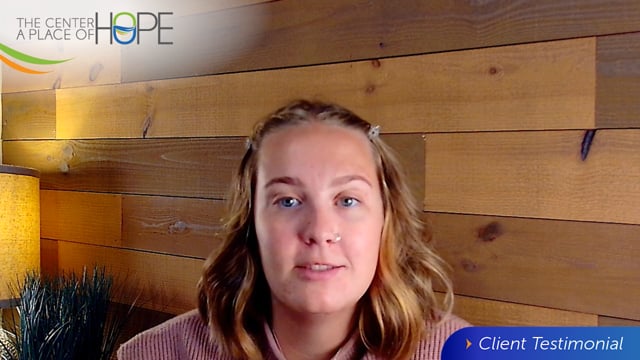
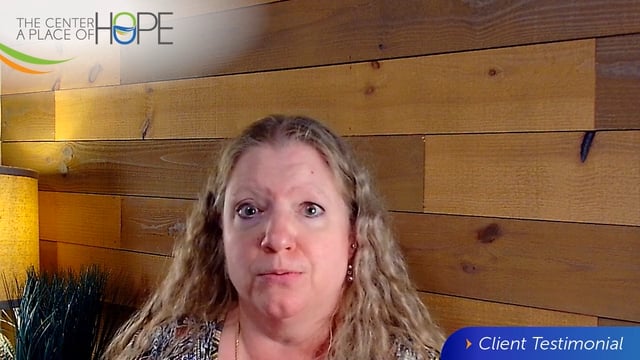
From people who once felt they had nowhere else to turn.
You don't have to figure this out alone.
Talk to our compassionate admissions team. Mon–Fri 8am–7pm PT · Sat 8am–5pm PT.